By Mitch Crowe
November 18, 2026
Evaluating Professional Qualifications
Checking Relevant Credentials
Radon cannot be identified by smell, sight, or ordinary household observation. That makes accurate measurement important when deciding whether a building needs attention. A qualified radon testing service should be able to explain its technicians' training, the methods it uses, and any credentials required or recognized in the relevant state. Asking about these details helps homeowners distinguish specialized testing from a general home inspection.
Understanding Health Context
According to the World Health Organization, radon is estimated to contribute between 3% and 14% of lung cancer cases within a country, with the proportion influenced by average national radon exposure and smoking rates. The range underscores why measuring indoor concentrations matters. A building's appearance, age, or neighborhood reputation cannot establish whether its indoor air contains elevated radon.
Reviewing Local Experience
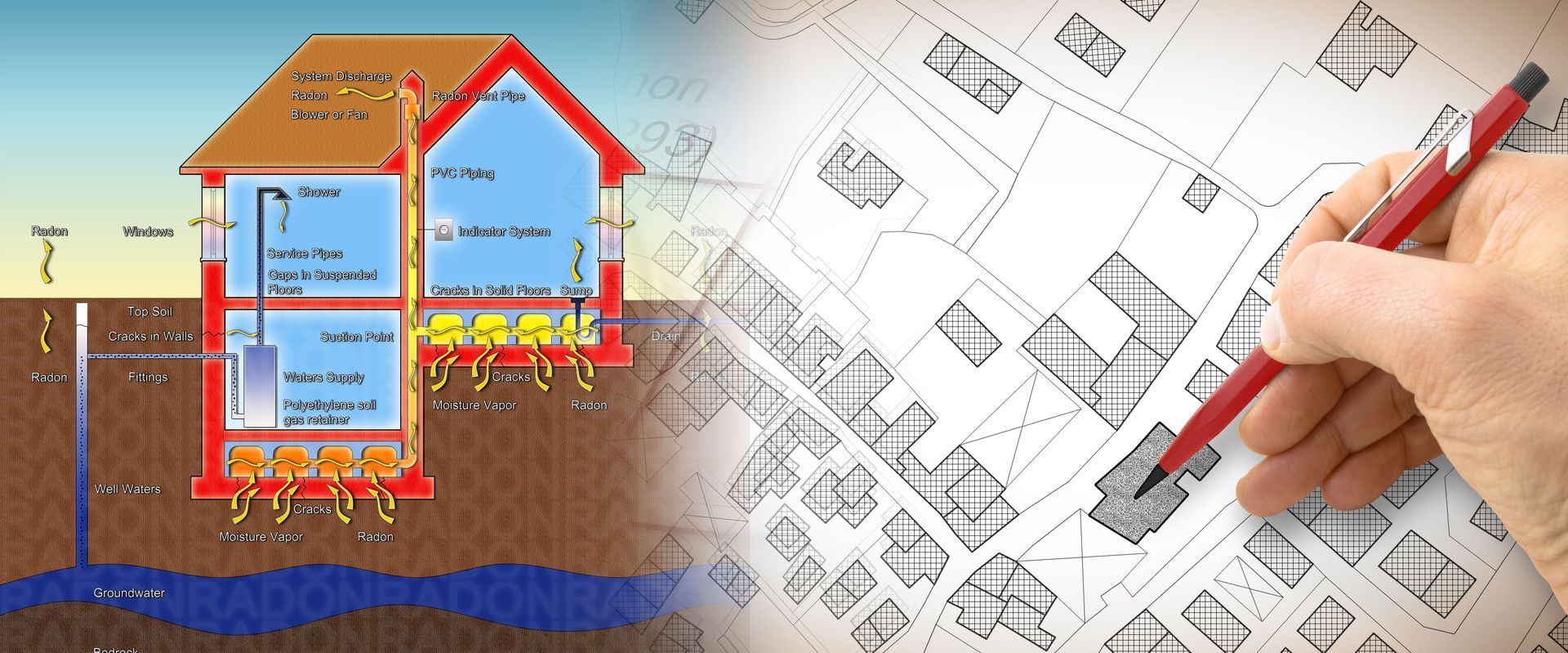
Regional geology and building practices influence how radon enters structures, although concentrations can vary significantly between nearby properties. Professionals familiar with local housing styles may better anticipate practical testing considerations, including basement layouts, crawl spaces, and occupied lower levels. Local experience complements recognized measurement procedures; it should never replace them.
Confirming Professional Scope
Some companies focus on measurement, while others also provide mitigation or post-installation verification. Before scheduling, homeowners should understand which services are included and whether additional work would require a separate appointment. Clear boundaries help prevent confusion when results arrive, and decisions need to be made.
Comparing Testing Methods
Distinguishing Test Durations
Radon concentrations fluctuate over time, so the length of a measurement affects what it represents. Short-term testing can provide useful information within a limited window, while longer measurements can better reflect changes across ordinary living conditions. A professional radon testing service should explain why a particular duration fits the homeowner's purpose, whether that involves a property transaction or a broader evaluation of indoor exposure.
Understanding Testing Devices
Professionals may use continuous radon monitors or other recognized measurement devices. Different technologies collect information in different ways, and not every device produces the same level of detail. The important questions concern suitability, proper handling, quality assurance, and how results will be interpreted rather than whether a device appears technologically impressive.
Considering Building Conditions
Weather, ventilation, occupancy patterns, and heating or cooling operation can influence measurements. Certain testing protocols also require specific building conditions during the measurement period. Homeowners should receive clear instructions from the testing professional, who is responsible for choosing and applying the appropriate protocol. Consistent conditions make the findings easier to interpret.
Documentation is another useful sign of professional care. The provider should be prepared to identify the measurement period, explain any special conditions, and describe how the device was handled. A radon testing service that communicates these details helps residents understand the reliability of the reported result. This becomes especially important when a test is requested by a buyer, lender, or property manager. Good records also make it easier to discuss questions later without relying on memory alone.
Before the appointment, homeowners can also ask who will answer questions after the report arrives. A clear contact process matters because unfamiliar units and technical language may require explanation. Providers should be willing to discuss the meaning of a result without making unsupported promises about future indoor conditions.
Clarifying Placement Decisions
Testing locations should reflect recognized guidance and the areas relevant to potential exposure. A finished basement, an unfinished lower level, and a slab-on-grade house may present different practical considerations. Rather than choosing locations based on convenience alone, qualified professionals explain where devices belong and why that placement matters.
Assessing Testing Procedures
Reviewing Appointment Expectations
A straightforward appointment begins with an explanation of the process, approximate duration, and any access requirements. Homeowners should know whether a return visit is necessary and when results are expected. Clear communication is especially helpful for households coordinating work schedules, tenants, or a pending real estate closing.
Confirming Quality Controls
Reliable measurement depends on more than placing a device in a room. A radon testing service should follow applicable protocols for equipment use, documentation, and quality assurance. Homeowners can ask how the provider handles device calibration or performance checks and how it identifies conditions that could compromise a measurement. These questions concern professional accountability, not technical tasks the homeowner must perform.
Discussing Real Estate Timing
When a home sale is involved, deadlines can influence scheduling. However, urgency should not override appropriate measurement procedures. Buyers and sellers benefit from understanding the expected reporting window, any transaction-specific requirements, and what happens if the test conditions are interrupted. A realistic timeline reduces pressure and unnecessary misunderstandings.
Understanding Potential Limitations
One measurement offers information about a particular period and location; it does not guarantee that concentrations will remain unchanged forever. Renovations, changes in ventilation, and seasonal conditions may affect future readings. A careful professional acknowledges these limitations and explains when additional measurement might be appropriate.
Interpreting Testing Results
Reading Concentration Units
Radon reports commonly present results in picocuries per liter in the United States. The number should be accompanied by enough context to understand the test type, location, and relevant guidance. Homeowners should not need to decode unexplained abbreviations or make decisions based solely on a highlighted figure.
Comparing Action Guidance
Public health agencies provide guidance for responding to elevated indoor radon, although recommended thresholds and terminology can vary by jurisdiction. A radon testing service should identify the guidance relevant to the property and explain what the reported concentration means. A responsible explanation avoids both minimizing a concerning result and implying that a single measurement predicts an individual's health outcome.
Discussing Follow-Up Testing
Some results warrant confirmation or additional measurement, depending on the test duration, concentration, and applicable guidance. Homeowners should understand whether a follow-up is recommended and why. This discussion is particularly important when the initial reading is near a decision threshold or when conditions during the test were unusual.
Exploring Mitigation Referrals
If results indicate a need for action, the next conversation may involve mitigation options. Testing and mitigation are distinct professional activities, even when one company offers both. A useful report explains the findings without suggesting that every building requires the same system or that a single solution fits all foundations.
Choosing Clear Ongoing Support
Requesting Written Reports
A written report creates a record of the measurement and supports future conversations with buyers, contractors, or household members. It should identify the property, testing period, measurement location, result, and relevant qualifications. Organized documentation makes it easier to compare future readings or evaluate the outcome of mitigation work.
Discussing Transparent Pricing
Before booking, homeowners should understand what the quoted service includes. Ask whether the price covers device placement, retrieval, laboratory processing when applicable, and a written explanation of results. Transparent terms help distinguish a complete measurement appointment from a limited offer that may require additional fees.
Planning Future Measurements
Radon levels may change after major structural work, alterations to ventilation, or installation of a mitigation system. Periodic evaluation may also be appropriate under public health guidance. Working with a radon testing service that explains future testing needs can help homeowners maintain a clearer picture of indoor conditions without unnecessary alarm.
Scheduling With Confidence
Choosing a provider should leave homeowners with a practical understanding of credentials, testing methods, reporting, and next steps. Accurate information supports better decisions, whether the initial reading is low or further action is recommended. For professional measurement and straightforward answers about your property, contact Guardian Radon Removal LLC to discuss a radon testing service and arrange an appointment.