Maintaining a healthy indoor environment is an important consideration for property owners. Radon is a radioactive gas that can accumulate inside buildings, making professional testing an important step when evaluating indoor conditions. A radon removal service can help property owners address elevated radon levels with solutions suited to the structure.
Foundational Radon Basics
Define Radon
Radon is a naturally occurring radioactive gas that is colorless and odorless. It forms through the breakdown of uranium in soil, rock, and water and can enter buildings from the surrounding soil. Because radon cannot be identified by ordinary sight or smell, professional testing can help determine whether elevated levels are present inside a property.
Identify Common Radon Sources
Radon can originate in the soil beneath and around a building before entering through potential pathways in the structure. Cracks in concrete slabs, foundation areas, crawl spaces, and plumbing penetrations can provide possible routes for soil gas to enter a property. A radon removal service can evaluate these conditions when determining an appropriate approach for the structure.
Understand Radon Exposure Risks
Radon exposure is a health concern associated with prolonged exposure to elevated concentrations. According to the U.S. Environmental Protection Agency, radon is responsible for about 21,000 lung cancer deaths every year. Professional testing can help property owners determine whether elevated radon levels are present within a building.
Consider Radon Levels
Radon testing provides information about the concentration of radon inside a property. When elevated levels are identified, a radon removal service can provide mitigation solutions designed around the property's structure and conditions. Post-mitigation testing can also help evaluate whether an installed system has reduced radon levels within the building.
Essential Radon Detection
Understand Why Testing Matters
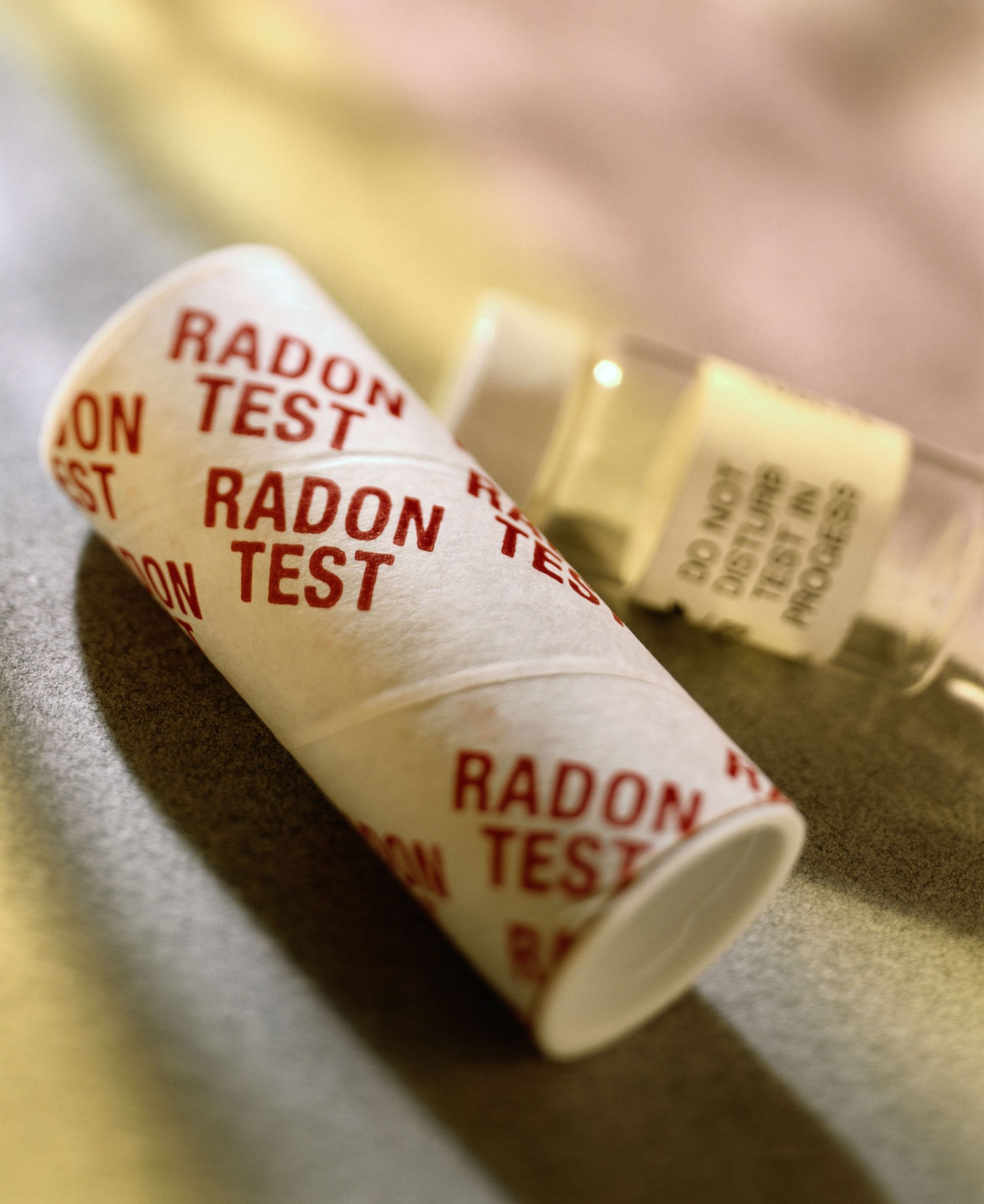
Radon cannot be identified by ordinary sight or smell, which makes professional testing an important way to evaluate indoor radon levels. Testing can provide information about the concentration of radon inside a property and help determine whether further action may be appropriate. A radon removal service can use this information when evaluating potential mitigation needs.
Explore Professional Radon Testing
Professional radon testing can provide property owners with information about indoor radon levels. Testing services can be used to evaluate residential and commercial properties and determine whether elevated radon concentrations are present. Testing can also be performed after mitigation work to evaluate the system's effectiveness.
Review Your Radon Test Results
Radon test results provide information about the concentration of radon inside a property. Reviewing those results can help determine whether additional evaluation or mitigation may be appropriate for the structure. A radon removal service can assess potential entry pathways and use the findings to inform an appropriate mitigation approach.
Effective Radon Mitigation
Choose Appropriate Mitigation Systems
Radon mitigation systems are designed to reduce elevated radon levels by drawing radon from beneath a structure and venting it outside. Depending on the property's foundation and conditions, mitigation may use sub-slab or sub-membrane suction with strategically placed suction points and vent piping. A radon removal service can determine which approach is appropriate for the structure.
Sealing cracks and other potential entry pathways can also be incorporated into mitigation work. For crawl spaces, encapsulation with a commercial-grade vapor barrier can help address soil-gas and moisture intrusion. These solutions can be incorporated into a radon removal service based on the property's needs.
Evaluate Professional Mitigation Solutions
Professional radon mitigation involves evaluating the property and installing a system designed around its specific structure and conditions. The appropriate approach can vary depending on the foundation, crawl-space configuration, and potential radon entry pathways. A radon removal service can evaluate these conditions when developing a mitigation approach.
Professional mitigation may include active suction, sub-slab or sub-membrane depressurization, vent piping, and sealing of potential entry points. These components can be incorporated according to the conditions present within the property. A radon removal service can also address crawl-space conditions through encapsulation and vapor-barrier installation.
Maintain Your Mitigation System
Existing radon mitigation systems may require maintenance, diagnostics, repairs, or upgrades over time. Evaluating system components can help identify issues that may affect the system's operation. A radon removal service can address concerns involving existing mitigation equipment and components.
Maintenance services can include addressing worn or aging exhaust fans, repairing sealing barriers, diagnosing system concerns, and making appropriate upgrades. These services can help maintain the function of an existing radon mitigation system. Professional attention can also help property owners address concerns identified during system evaluation.
Assess Your Property's Needs
Radon mitigation approaches can vary according to the structure and conditions of a property. An assessment can help identify potential entry pathways and determine how suction points, piping, sealing, or other mitigation components may be incorporated into the system. A radon removal service can use these property conditions to determine an appropriate approach.
For properties with crawl spaces, encapsulation and vapor-barrier installation may also be considered as part of addressing radon and moisture concerns. Commercial-grade, multi-ply vapor barriers can help limit soil-gas and moisture intrusion. These solutions can be incorporated according to the conditions found within the crawl space.
Consider Ventilation Solutions
Ventilation can be part of an overall approach to indoor air quality and moisture management. An EZ Breathe ventilation system can continuously remove stale indoor air and help address moisture concerns. A radon removal service can evaluate whether this type of ventilation solution may complement other services for a property.
Ventilation solutions can complement services such as crawl-space encapsulation when a property has moisture and indoor-air-quality concerns. The appropriate combination of services depends on the conditions present within the property. Evaluating those conditions can help determine which solutions are appropriate.
Integrated Radon Management
Assess Potential Entry Pathways
Understanding how radon may enter a property can help determine an appropriate mitigation approach. A property assessment can evaluate conditions such as foundation areas, concrete slabs, crawl spaces, plumbing penetrations, and other potential pathways for soil gas to enter a structure. This evaluation can help inform the design of a mitigation system.
Install Targeted Mitigation Systems
Mitigation systems can be customized according to the property's foundation and structural conditions. Sub-slab and sub-membrane suction can draw radon from beneath a structure, while vent piping directs the gas outside. A radon removal service can incorporate these components according to the property's needs.
Encapsulate Crawl Spaces
Crawl-space encapsulation can help address both radon and moisture concerns. Commercial-grade, multi-ply vapor barriers can be installed to create a barrier between the crawl space and the living area while helping limit soil-gas and moisture intrusion. Encapsulation can therefore be considered when evaluating crawl-space conditions alongside other mitigation needs.
Add Ventilation Solutions
Ventilation can provide an additional approach to indoor-air-quality and moisture concerns. An EZ Breathe ventilation system can continuously remove stale indoor air and may complement crawl-space encapsulation when both moisture and air-quality concerns are present. Evaluating the property can help determine whether ventilation is an appropriate addition to other services.
Evaluate Existing Systems
Existing radon mitigation systems can be evaluated through diagnostic, maintenance, repair, and upgrade services. Addressing aging exhaust fans, sealing barriers, or other system concerns can help maintain the function of an existing mitigation system. Professional evaluation can identify areas where an existing system may require attention.
Addressing elevated radon levels begins with understanding the conditions within a property. Professional testing and property assessments can help identify radon levels and potential entry pathways, while mitigation solutions can be tailored to the structure. Depending on the property, services may include sub-slab or sub-membrane depressurization, sealing potential entry points, crawl-space encapsulation, or ventilation solutions.
Existing mitigation systems can also receive diagnostic, maintenance, repair, and upgrade services when needed. With solutions designed to address radon, moisture, and indoor-air-quality concerns, property owners can take informed steps toward improving their indoor environment. To learn more about available services, contact Guardian Radon Removal LLC.